


The evolution from task tools to real-time operational engines
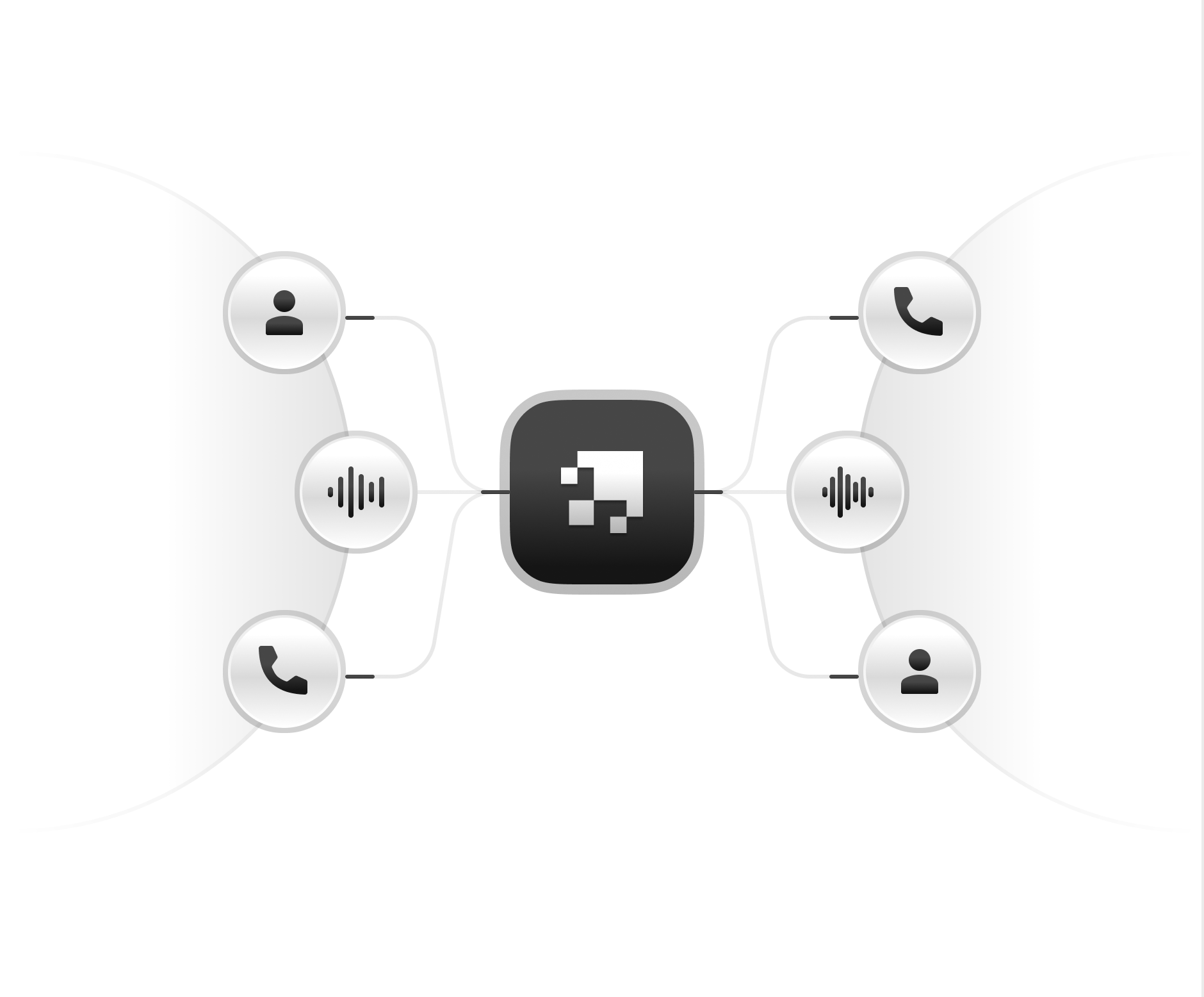
The preposterous but true idea
The very tools built to make operations easier are the ones slowing them down.
This seems almost absurd. Aren’t digital tools progress compared to pen, paper, and whiteboards? They are. But they froze operations into lists, forms, and dashboards that demanded constant human attention.
The preposterous idea is this: real transformation begins when operations stop being a pile of tasks and start acting like a living engine. An engine that runs once fuelled, where people guide direction but no longer crank the machine forward.
It sounds too good to be true — until you look back at every leap in technology. Electricity didn’t just make candles brighter. The motor made light and power continuous. In the same way, operational engines turn tasks into flows.
From Lists to Layers
The first digital tools were essentially notepads on a screen. Spreadsheets to track jobs. Ticketing systems to log requests. Calendars to hold shifts. They stored information, but that’s where the value ended. Humans still had to stitch the pieces together — assigning jobs, chasing updates, checking compliance, and sending invoices by hand.
It gave the illusion of order but created hidden debt: hours of invisible labour to keep the machine moving.
The metaphor is a car without a starter motor. You could move it, but only by leaning your whole weight on a crank. A system that looked modern on the surface, but left you doing the hardest part yourself.
Why Task Tools Plateau
Task-based systems are fragile. They work for one person. Sometimes even for a small team. But growth exposes the cracks.
- The spreadsheet version is outdated by the time it’s emailed.
- The rota system has no idea that three jobs clash across sites.
- The CRM knows customer details, but not that the invoice was already sent.
And the stitching happens in scattered conversations — emails, calls, messages — disconnected from the work itself.
Field Service Management (FSM) tools improved dispatch. Workforce Management (WFM) systems improved rosters. But both left the heart of operations disconnected: jobs, crews, and cash.
It’s the same pattern every time: tools add features, but they don’t change the model. They store data; people do the stitching. Admin becomes the ceiling on growth.
History echoes here. Businesses once relied on ledgers until accounting systems unified money. It wasn’t the ledger itself that mattered — it was connecting revenue, cost, and balance into one live picture. Operations have been waiting for the same leap.
The Real-Time Turn
The leap comes when workflows stop being instructions and start being execution.
An update in the field should not sit idle until someone notices. It should trigger the next event: customer updated, invoice sent, compliance recorded, crew redeployed. Event-driven systems mean operations don’t wait. They move in real time.
While the work moves forward automatically, the team stays aligned in real time too. Updates are visible as they happen. No chasing. No checking. Everyone sees the same picture as it unfolds.
This is where human-in-the-loop matters. Decision points stay in human hands, but the system never stalls. If judgement is needed, the engine pauses at the node, not the entire company.
The metaphor is no longer the crank handle but the GPS. You no longer trace the route yourself. You set direction, and the system recalculates live, however many detours appear.
The practical result is striking: routine admin cut by half; job-to-cash cycles measured in minutes, not weeks.
Engines, Not Checklists
Here is the fundamental shift. Tools are things you push. Engines are things that run.
Operational engines unify everything into one model: jobs, crews, assets, documents. Instead of passing between disconnected silos, work lives in one continuous flow.
Communication no longer sits outside the system. Conversations happen alongside the work, not away from it. The team doesn’t switch between tools to understand what’s going on. They stay connected to the flow itself.
The difference is more than efficiency. It changes the role of managers. Instead of pushing tasks forward, they guide direction. They don’t chase, they decide.
An engine doesn’t just reduce admin. It alters posture. Leaders stop firefighting and start steering.
Lessons from the Fragile Stage
Just as every startup must do things that don’t scale, operational systems had to endure their fragile, manual stages.
Email threads. Endless calls. Paper sign-offs. Conversations scattered across tools. These were the scaffolds that kept businesses upright. They felt clumsy but were necessary training.
Today’s engines learned from that fragility. Every point of friction became a future workflow node. Every manual step became an event trigger. What once demanded hand-holding is now encoded in the flow.
What used to live in separate conversations now lives with the work itself.
Fragility was not failure. It was apprenticeship. Without the pain of chasing updates and reconciling spreadsheets, there would be no clarity about what needed to run itself.
Why Now?
Three forces converge.
- Technology. Unified data models and real-time event systems now exist. Cloud scale makes it viable.
- Demand. Service industries are drowning in admin. Growth is dragged back by paperwork and compliance. They need freedom from it.
- Culture. Teams now expect software to “just run it.” Tools that only store tasks feel archaic.
The Intelligent Operations Platform (IOP) is not a point solution. It is the operating system for service execution. Workflow-first, live, adaptive, always learning.
A Shift in Imagination
The leap is not from paper to software. It is from tools to engines.
Task tools asked you to keep the machine moving. Operational engines keep themselves moving. The role of humans is not to crank but to guide.
The team stays in sync as the work unfolds. No chasing updates. No piecing together context. Just one shared view of what’s happening.
This is why the change feels preposterous at first. It asks us to imagine operations that don’t need constant tending. But once you see it, the old world looks stranger: why were we ever doing admin ourselves?
The future of work is not a better to-do list.
It is work that runs itself.
Share this article:


.svg)
.svg)

